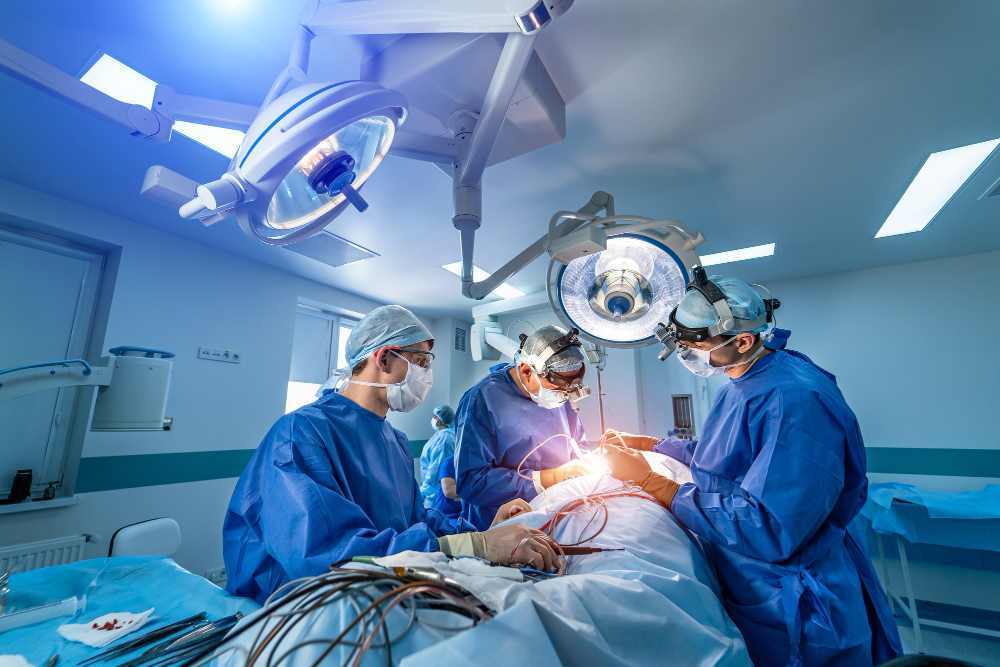
Are you facing fertility challenges and has your doctor suggested a laparoscopy? Laparoscopy is a keyhole surgical procedure that lets a doctor look directly inside your abdomen and pelvis through small cuts, using a thin tube with a camera and a light. In fertility care, it is used to examine the ovaries, fallopian tubes, and uterus, and in many cases to treat problems that may be affecting your chances of conceiving.
Laparoscopy is not a stand-alone fertility treatment like IVF or IUI. It works alongside them by helping doctors find and treat conditions such as endometriosis, pelvic adhesions, blocked fallopian tubes, and ovarian problems. Because it is minimally invasive, it usually means smaller scars, less pain, and a quicker recovery than traditional open surgery.
In this blog, we begin with a simple explanation of what laparoscopy is and how it differs from open surgery. We then look at how it is used in infertility care, including tubal surgery, adhesiolysis to remove scar tissue, fallopian tube assessment and treatment, ovarian drilling for women with PCOS who do not ovulate regularly, and its role before and during IVF.
Next, we walk you through the procedure step by step, from anesthesia and gas inflation of the abdomen to inserting the camera, checking the pelvic organs, and, when needed, injecting dye to test the tubes or treating any problems found. You will also learn what to expect during and after the procedure, including common sensations such as shoulder pain, and the warning signs that should prompt you to call your doctor.
We also cover the benefits of laparoscopy for infertility, such as accurate diagnosis, the chance to treat problems during the same procedure, smaller scars, lower risk of infection, and faster recovery. Just as importantly, we explain the possible risks, including bleeding, infection, injury to nearby organs, and risks related to anesthesia, so that you can make an informed decision with your doctor.
You will also find a clear overview of recovery after laparoscopy, including how long it usually takes to return to normal activities, what to avoid in the first weeks, and how to care for your incisions.
Finally, this guide answers common questions, such as why laparoscopy is good for infertility, whether it is painful, whether it increases your chances of pregnancy, how it compares with IVF, and whether it is safe.
If you are searching for information about laparoscopy for infertility or considering fertility treatment in Nepal, getting advice from an experienced fertility specialist can help you understand whether it is right for you. At Hardik IVF, you can receive personalized guidance and compassionate care at every step of your journey.
Read this complete guide to understand the process, benefits, and risks of laparoscopy for infertility and take a confident step towards your dream of parenthood.
Learn More:
Laparoscopy (Keyhole Surgery): Overview
What Happens During a Laparoscopy
Female Infertility: Symptoms and Causes
Causes of Infertility in Women and Men