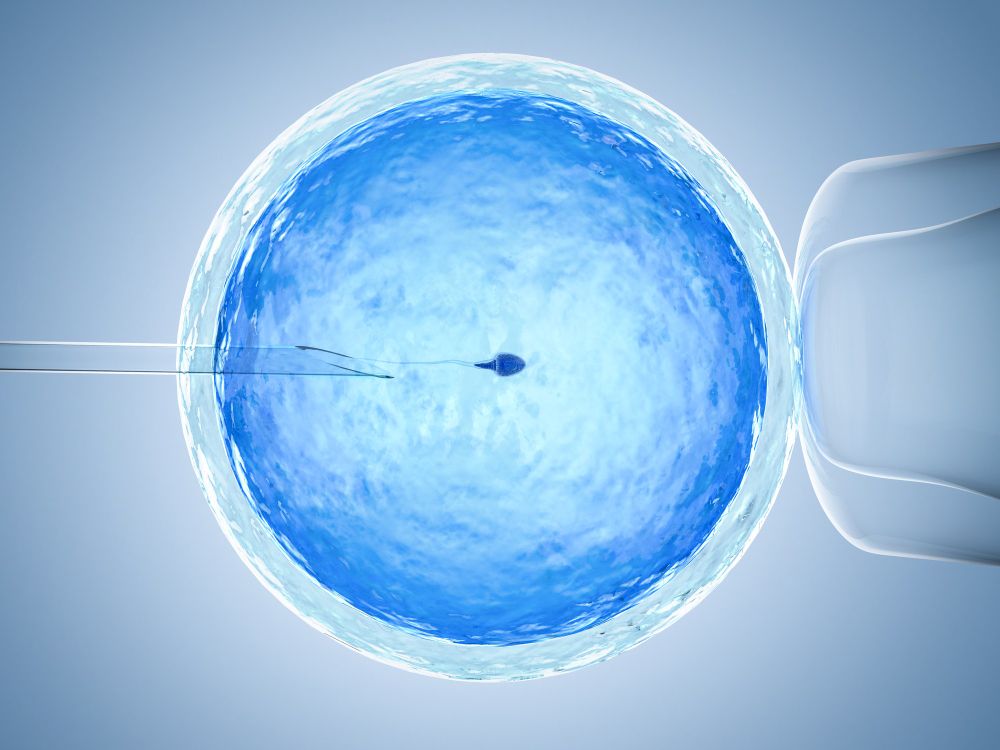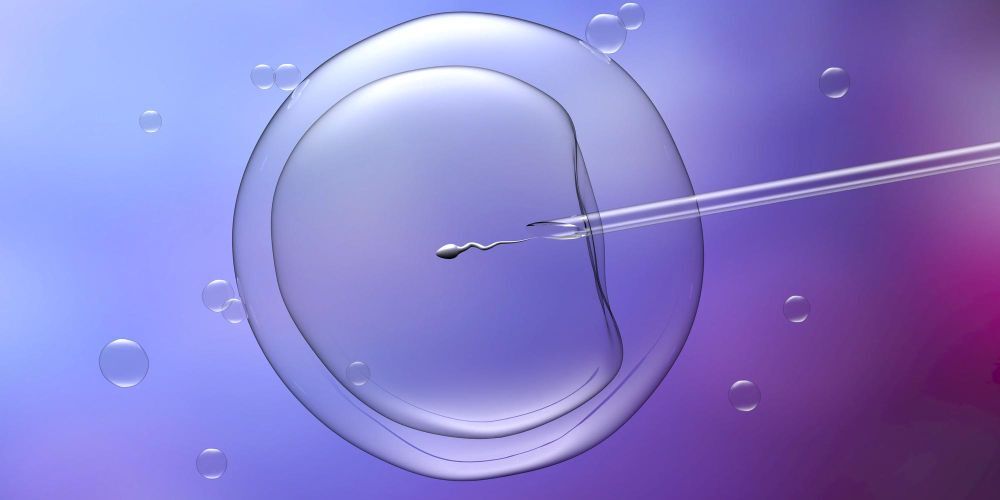
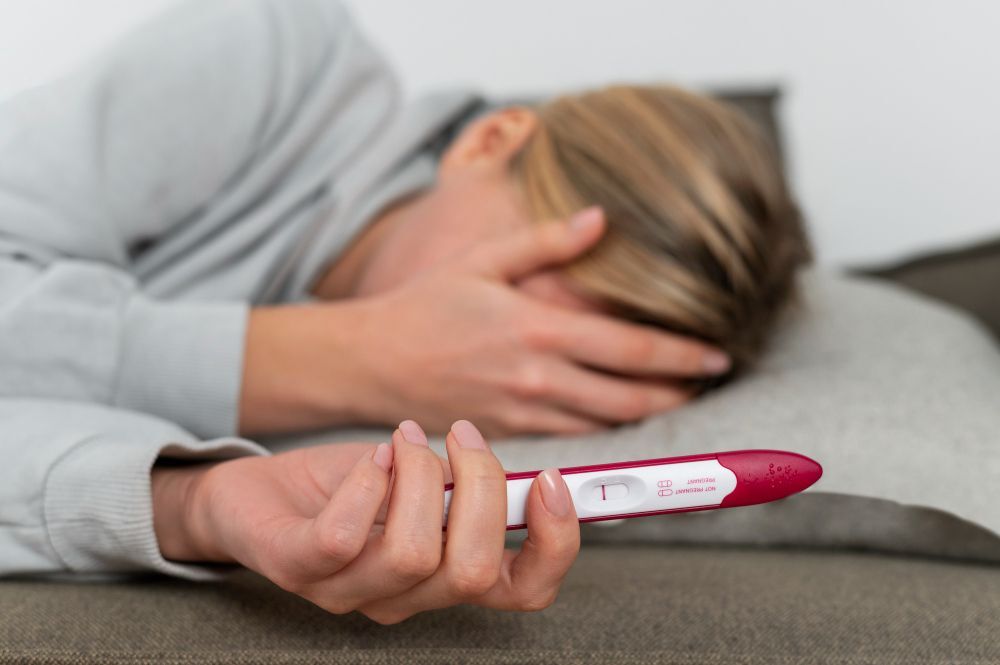
Has your IUI cycle not worked, or are you worried that it might not? Intrauterine Insemination (IUI) is a simple and widely used fertility treatment, but like any medical procedure, it does not succeed every time. A failed IUI can be emotionally hard, and it often leaves couples with many questions. Why did it fail? What happens next? Is it still possible to conceive naturally? And when is it time to think about IVF?
In IUI, prepared sperm is placed directly into the uterus around the time of ovulation to improve the chances of fertilization. It is often recommended for unexplained infertility, mild male factor infertility, cervical factor infertility, and ovulation disorders such as PCOS. Success rates depend on many factors, and a single unsuccessful cycle does not mean that treatment cannot work for you.
In this blog, we begin with when IUI is usually recommended. We then explain the most common reasons IUI fails, including low sperm count or poor motility, age-related fertility decline, hormonal imbalances, limited response to fertility medications, structural problems of the uterus, pelvic infections or inflammation, and endometriosis. Understanding these causes can help you and your doctor decide what to change next time.
Next, we describe the signs that an IUI cycle may not have worked, such as the start of your period, a negative pregnancy test, and the absence of early pregnancy symptoms, and we explain why you should always confirm the result with your fertility specialist. We then look at what happens after a failed IUI, how to look after your emotional wellbeing, and what to expect from your first period afterwards.
You will also learn what to do after your first failed IUI and what steps to consider after several unsuccessful cycles, including further testing, adjusting your treatment plan, and exploring IVF. We explain your chances of conceiving naturally after a failed IUI and why IVF may work in cases where IUI has not.
We also cover the factors that affect IUI success, such as the age of the woman, sperm quality, ovarian reserve, timing of the procedure, underlying health conditions, response to fertility medications, uterine health, and the number of cycles tried. You will also find a guide to typical IUI success rates and answers to common questions about repeated failures, stress, diet after IUI, and how to improve your chances in the next cycle.
If you are searching for information about IUI failure or considering IUI or IVF treatment in Nepal, getting advice from an experienced fertility specialist can help you understand your situation and plan the next step. At Hardik IVF, you can receive personalized guidance and compassionate care at every step of your journey.
Read this complete guide to understand the common reasons for IUI failure and how to overcome them, and take a confident step towards your dream of parenthood.
Learn More:
Intrauterine Insemination (IUI): Overview and What to Expect
Intrauterine Insemination (IUI) Explained
Intrauterine Insemination (IUI) Treatment Guide
Your Pregnancy Blood Test (BhCG)
Female Infertility: Symptoms and Causes
Causes of Infertility in Women and Men