
A delayed period can be worrying, especially if you're wondering whether you're pregnant. However, pregnancy is only one of many possible reasons for delayed periods. Stress, hormonal imbalance, weight changes, PCOS, thyroid disorders, medications, and lifestyle changes can all affect your menstrual cycle. Understanding why your period is late can help you know when it's normal and when it's time to see a doctor. In this article, we'll explain the top 8 reasons for delayed periods and when you should seek medical advice.
 *** i. 8 reasons for delayed period***
The Top 8 Culprits Behind Delayed Periods:
Stress: The Silent Cycle Saboteur
How it Works: Chronic stress floods your system with cortisol, the "fight-or-flight" hormone. Elevated cortisol directly impacts the hypothalamus, essentially hitting the pause button on the signals that trigger ovulation and period preparation.
Beyond the Obvious:It's not just major life crises. Ongoing work pressure, financial worries, or even intense relationship dynamics can be enough to disrupt the cycle.
Mindful Management: Prioritize stress reduction like the essential health practice it is. Deep breathing, mindfulness meditation, gentle yoga, spending time in nature, and talking to a therapist are powerful tools. Remember, de-stressing isn't a luxury; it's cycle maintenance.
Weight Changes and Delayed Periods: Finding the Balance Point
How it Works: Body fat plays a crucial role in estrogen production. Rapid weight loss (especially from crash dieting or eating disorders) reduces fat stores below the level needed for regular hormonal signaling. Conversely, significant weight gain can lead to excess estrogen or insulin resistance, also throwing the cycle off track.
The Impact: This isn't about vanity. Severely low body fat or obesity can lead to amenorrhea (absence of periods) due to disrupted ovulation.
Healthy Approach: Focus on nourishing your body with a balanced diet, avoiding extreme calorie restriction. Aim for moderate, consistent exercise rather than intense, unsustainable bursts. Consulting a registered dietitian can provide personalized guidance.
Hormonal Conditions: PCOS, Thyroid & Beyond
The Usual Suspects:
PCOS: This common condition involves insulin resistance and elevated androgens (male hormones), leading to irregular ovulation or anovulation (no ovulation), resulting in infrequent, absent, or unpredictable periods. Symptoms often include acne, excess hair growth (hirsutism), and weight struggles.
Thyroid Disorders: Both an underactive (hypothyroidism) and overactive thyroid (hyperthyroidism) wreak havoc. Hypothyroidism slows everything down, including menstrual function, often causing fatigue and weight gain. Hyperthyroidism speeds up metabolism, potentially shortening or delaying cycles, accompanied by anxiety and weight loss.
Why It Matters: These aren't just period problems; they are whole-body health conditions requiring diagnosis and management (medication, lifestyle changes).
Pregnancy: The Natural Pause
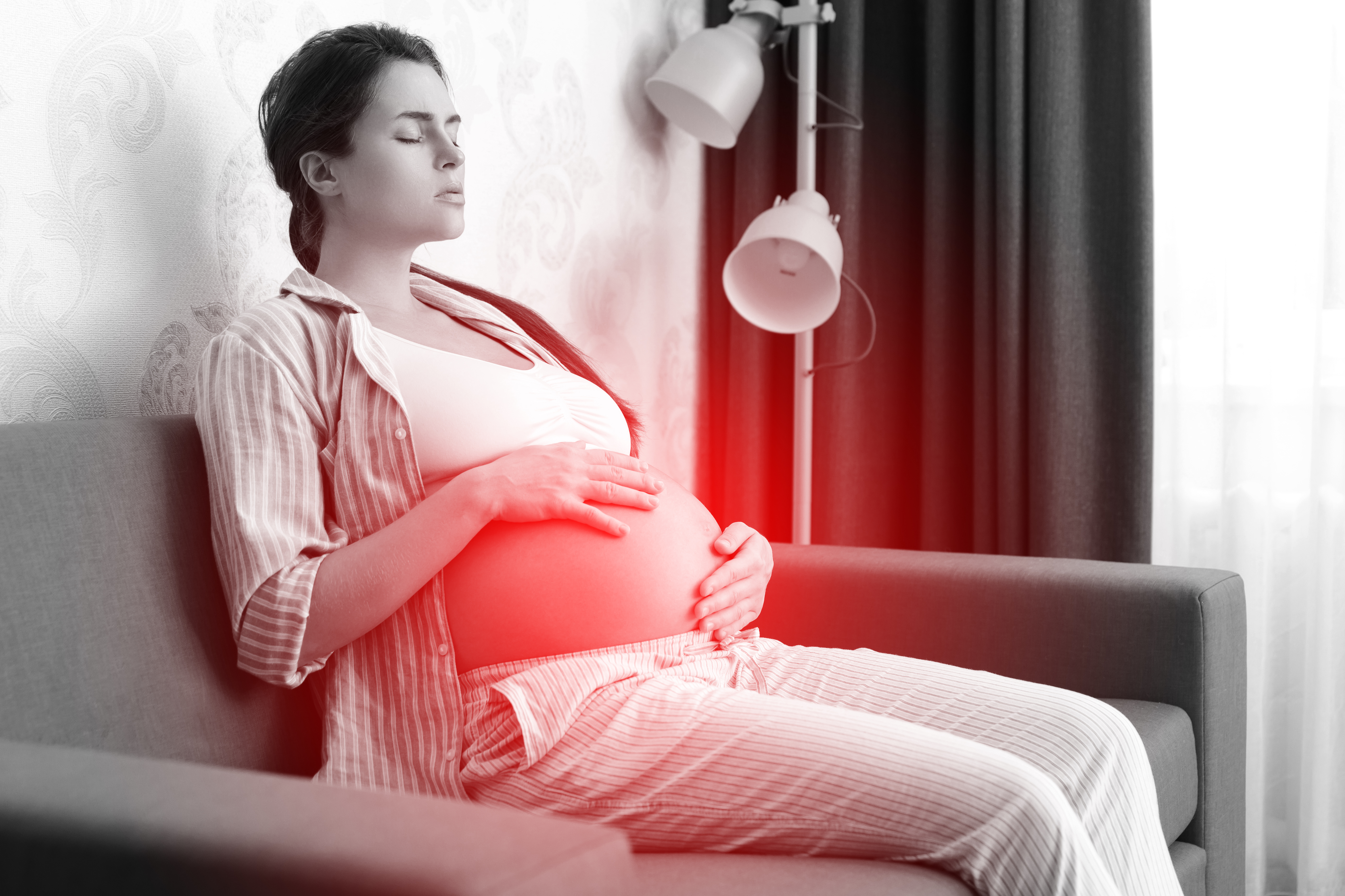
The Mechanism: If conception occurs, the developing embryo signals the body to produce human Chorionic Gonadotropin (hCG). This hormone maintains the corpus luteum (the structure left after ovulation), which produces progesterone, halting the shedding of the uterine lining (your period) to support the pregnancy.
Next Steps: A missed period is often the first sign. Take a home pregnancy test if sexually active (even with contraception, as nothing is 100%). A blood test at your doctor's office provides confirmation.
Excessive Exercise: When Fitness Backfires
How it Works: Intense, prolonged physical activity without adequate fuel burns significant calories and can reduce body fat to critically low levels (similar to rapid weight loss). This disrupts the production of reproductive hormones (like GnRH, LH, FSH) necessary for ovulation and menstruation, leading to "exercise-induced amenorrhea."
Who's at Risk: Endurance athletes, dancers, and anyone pushing their body intensely for hours daily without compensating nutritionally.
Finding Balance: Ensure sufficient calorie and nutrient intake to match your activity level. Incorporate rest days and prioritize recovery. Consult a sports medicine doctor or dietitian specializing in athletes if periods stop.
Medications & Birth Control: The Chemical Influence
Common Offenders: Hormonal contraceptives (pills, patches, rings, implants, IUDs), hormone replacement therapy (HRT), certain antipsychotics, antidepressants, chemotherapy drugs, and even long-term corticosteroids.
How They Work: Hormonal birth control often works by suppressing ovulation. Starting, stopping, or switching methods can cause irregular bleeding or missed periods as your body adjusts. Other medications can interfere with hormone pathways or directly impact the reproductive system.
Be Proactive: Always discuss potential menstrual side effects when starting a new medication. Track any changes. Don't stop medications without consulting your doctor, but do report persistent irregularities.
Perimenopause: The Transition Phase
The Change Before The Change: Starting typically in the 40s (but sometimes earlier), perimenopause marks the gradual decline in ovarian function and estrogen production. This leads to increasingly unpredictable cycles—periods may be late, early, heavier, lighter, or skipped altogether.
Accompanying Signs: Hot flashes, night sweats, mood swings, sleep disturbances, and vaginal dryness often join the party.
Understanding the Process: While a natural life stage, symptoms can be managed. Tracking cycles and discussing symptoms with your doctor is key.
Conclusion: Your Cycle, Your Compass
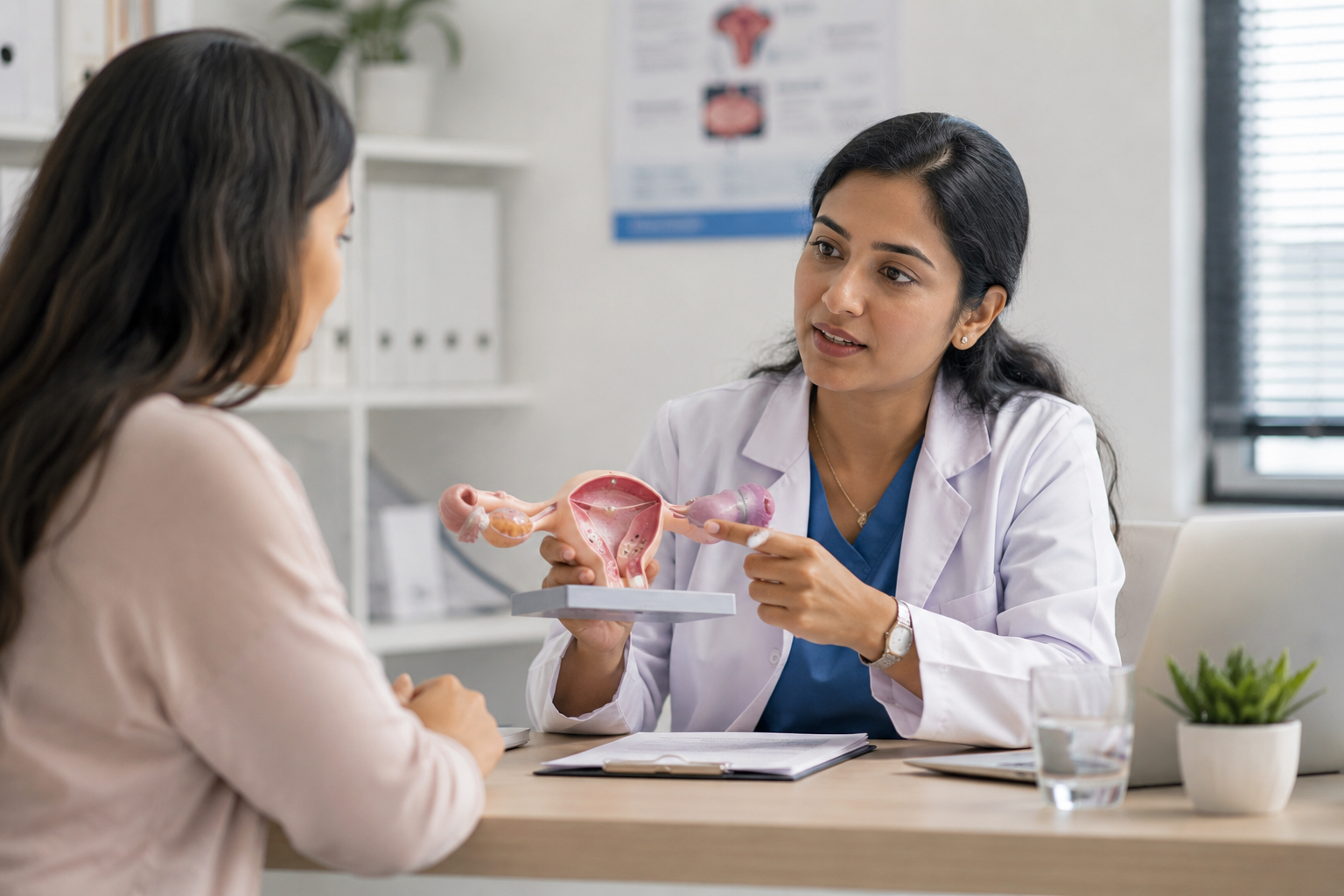
While an occasional delayed period is usually not a cause for concern, frequent or unexplained delays may indicate an underlying hormonal or reproductive health issue. If your periods are consistently irregular or you're planning a pregnancy, consulting a fertility specialist can help identify the cause early and improve your chances of successful treatment. At Hardik IVF & Fertility Center, our fertility specialists provide comprehensive evaluation and personalized treatment plans to help women better understand their reproductive health and achieve their parenthood goals.