If you've been through an IVF cycle and have frozen embryos waiting, you've probably heard the term FET — Frozen Embryo Transfer. For others, your doctor could have recommended it for you and you're wondering what's different about it compared to a fresh transfer. Here's everything you need to know.
What Is a Frozen Embryo Transfer (FET)?
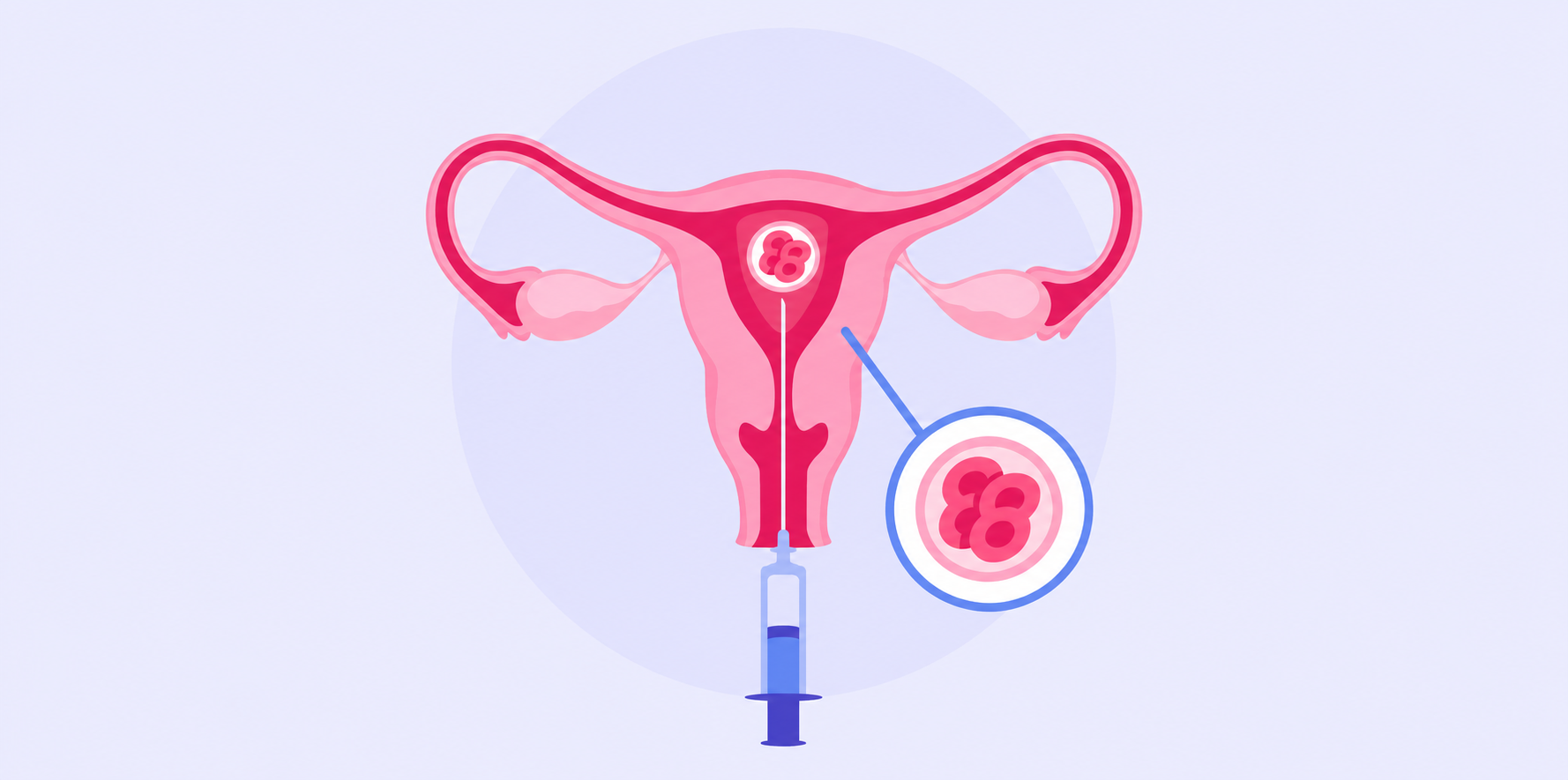
During an IVF cycle, doctors often create more than 1 embryos which can be transferred in a single go. The extra embryos are frozen and stored safely in the laboratory — sometimes for years — until you are ready to use them. A Frozen Embryo Transfer (FET) is when one of those stored embryos is thawed and transferred into your uterus in a separate, simpler cycle. No egg retrieval. No stimulation injections for weeks. Just preparation of your uterus and transfer. That's it.
Why Might Your Doctor Recommend a Frozen Embryo Transfer (FET)?
This is where it gets interesting. Many doctors now prefer FET over fresh transfer — and the science backs it up.
Better Uterine Preparation for Embryo Transfer
During a fresh IVF cycle, your body goes through intense hormonal stimulation. This can affect the uterine lining and reduce its receptivity. In an FET, your body has had time to recover. The lining is more natural a nd better prepared for implantation.
Lower Risk of Ovarian Hyperstimulation
Ovarian Hyperstimulation Syndrome (OHSS) is a complication that can happen during fresh cycles. FET avoids this entirely because your ovaries are not stimulated.
Greater Flexibility in Transfer Timing
If something isn't right during your fresh cycle — your lining isn't thick enough, your progesterone spikes too early, or you're unwell — your doctor can freeze all embryos and do the transfer later when conditions are optimal.
FET Success Rates Compared With Fresh Transfer
At Hardik IVF Center, FET success rates are strong, particularly for women who have had a difficult stimulation cycle.
The Step-by-Step Frozen Embryo Transfer (FET) Process: What to Expect
Step 1 — Preparing the uterus (2–3 weeks) You'll take estrogen medication — tablets or patches — to build up your uterine lining. Your doctor monitors the lining through ultrasound scans until it reaches the right thickness, usually 8mm or more. Step 2 — Starting progesterone Once your lining is ready, you begin progesterone supplements. This prepares the uterus to receive the embryo. Step 3 — Thawing the embryo On the day of transfer, your frozen embryo is carefully thawed in the laboratory. Modern freezing technology (called vitrification) means the vast majority of embryos survive thawing in excellent condition. Step 4 — Transferring the Embryo The embryo is placed into your uterus using a thin, flexible tube. It takes about 10 minutes. No anaesthesia needed. Mild pressure is all most women feel. Step 5 — The two-week wait- Pregnancy Testing After FET You continue progesterone support and return 14 days later for a blood test to confirm pregnancy.
What Is the Success Rate of FET?
At Hardik IVF & Fertility Center, FET success rates range between 60–75% per transfer depending on embryo quality, age, and uterine health. Blastocyst-stage frozen embryos — the most developed stage — give the highest success rates.
How Much Does FET Cost in Nepal?
FET is significantly cheaper than a full IVF cycle. At Hardik IVF Center, a frozen embryo transfer cycle costs approximately NPR 40,000 to 80,000 — not including medications. This makes FET one of the most cost-effective paths to pregnancy if you already have frozen embryos available.
Have frozen embryos ready to take the next step? Talk to our team today. 📞 +977 9802352811 📍 Sinamangal, Kathmandu 🌐 hardikivfcenter.com