Are you considering IVF and wondering what your chances of success really are? The success rate is one of the first questions couples ask, and it is also one of the hardest to answer in a single number. IVF has come a long way since the first treatments began in Nepal in 2004, and improvements in laboratory methods, medicines, and embryo care have helped many more couples achieve their dream of becoming parents.
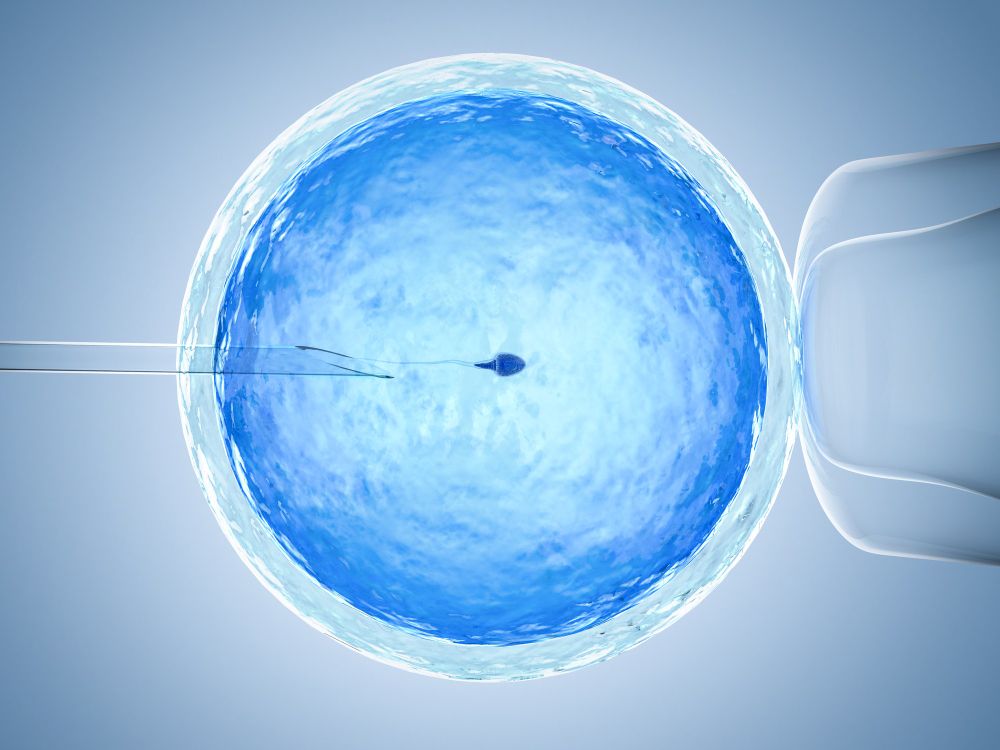
In In Vitro Fertilization (IVF), eggs are retrieved from the ovaries and fertilized with sperm in a laboratory. The embryos are monitored for a few days and the healthiest are transferred into the uterus. Because every step is carefully controlled, IVF can overcome many obstacles to natural conception, but the result still depends on your age, your health, and the cause of infertility.
In this blog, we begin with a simple overview of IVF in Nepal and walk you through each stage of the process: ovarian stimulation, egg retrieval, fertilization, embryo culture, embryo transfer, luteal phase support, and the pregnancy test. Understanding each step makes the journey feel clearer and less intimidating.
Next, we look at IVF success rates in Nepal. You will find an overview of how success rates vary across different types of IVF, including treatment with your own eggs, donor eggs, donor sperm, and IVF with ICSI. We also introduce the doctors at Hardik IVF who guide patients through their fertility journey.
We then explain the main factors that affect IVF success, including the age of the woman, the reproductive health of both partners, lifestyle habits, medical conditions such as PCOS and endometriosis, the duration of infertility, previous pregnancy history, the number of embryos transferred, and whether fresh or frozen eggs and sperm are used.
Just as importantly, this guide shares practical tips to improve your chances: choosing a reputable clinic, optimizing your lifestyle, completing pre-IVF testing, following your medication protocol, managing stress, and considering embryo freezing if the first cycle is not successful. We also outline the approximate cost of IVF in Nepal so you can plan ahead.
You will also find answers to common questions, such as what the average success rate is, whether IVF is ever 100% successful, and whether IVF can work on the first try.
If you are searching for information about IVF success rates or considering IVF treatment in Nepal, getting advice from an experienced fertility specialist can help you understand your own chances and choose the right plan. At Hardik IVF, you can receive personalized guidance and compassionate care at every step of your journey.
Read this complete guide to understand IVF success rates in Nepal and how to improve them, and take a confident step towards your dream of parenthood.
Learn More:
IVF Treatment: Procedure, Process and What to Expect