
ICSI Procedure Step by Step Explained: How It Works
Infertility is one of the major issues that prevent the dream of parenthood from being fulfilled. However, with the advancements of modern medicine, there are many ways to counter this problem. Among the many methods available to overcome infertility, one of the best options is Intracytoplasmic Sperm Injection (ICSI). The issue is that not many people know what this treatment is or how it works. If you are someone who has heard of this treatment and is curious about the ICSI procedure step by step, then you have come to the right place.
In this blog, we provide you with a brief overview of the ICSI procedure step by step, along with additional information such as the duration of ICSI treatment, some of its risks, and when it is recommended. So, keeping this in mind, let’s get started!
When Is ICSI Recommended?
 Before we go into details regarding ICSI, let’s first talk about when this treatment is recommended. ICSI is an infertility treatment method that is commonly recommended when natural fertilization is difficult or unlikely, primarily due to male infertility factors. Some of the most common scenarios where ICSI may be recommended include:
-
Low Sperm Count: ICSI is recommended when the male partner has a low sperm count, as it allows the embryologist to select the healthiest sperm, even if there are very few available, for injection.
-
Poor Sperm Motility: This treatment is also recommended if sperm are unable to move efficiently, as ICSI ensures that the sperm is directly injected into the egg, bypassing the need for motility.
-
Abnormal Sperm Morphology: ICSI is recommended when sperm have an abnormal shape or morphology. In such cases, it is difficult for the sperm to penetrate the egg naturally. ICSI overcomes this by injecting a single healthy sperm directly into the egg.
-
Sperm Production Problems: ICSI is also recommended when there are issues with sperm production, such as previous vasectomy, testicular failure, or genetic conditions, where sperm may need to be retrieved directly from the testicles or epididymis.
-
Previous IVF Failures: ICSI may be recommended if there is a history of unsuccessful IVF cycles.
-
Use of Frozen Sperm: This treatment is also recommended when frozen sperm is used, as the freezing and thawing process may damage sperm. ICSI helps by allowing the embryologist to select the healthiest sperm for fertilization.
-
Unexplained Infertility: ICSI treatment is also recommended when no obvious cause of infertility is identified, as it generally offers a higher chance of successful fertilization.
How Long Does ICSI Treatment Take?
After discussing when ICSI is recommended, let’s answer another commonly asked question regarding ICSI—its duration. The answer to "How long does ICSI take?" depends on the specific treatment plan. However, based on a typical procedure, the estimated timeline is as follows:
-
Initial Phase: 1–2 weeks
-
Ovarian Stimulation Phase: 10–14 days
-
Retrieval & Sperm Collection Phase: 1 day
-
ICSI Fertilization Process: 1 day
-
Embryo Culture & Monitoring: 3–5 days
-
Embryo Transfer: 1 day
-
Two-Week Wait: 12–14 days
When all of these phases are combined, the overall ICSI treatment typically takes approximately 5 to 7 weeks, from the initial consultation to the pregnancy test.
Step-By-Step Procedure of ICSI
 When we provided you with the estimated timeline earlier, we also gave you a general overview of the steps involved in the ICSI process. Now, let’s take a closer look at each step in detail.
Step 1: Initial Phase
As the first step of the ICSI process, you begin with a consultation with a fertility specialist. During this phase, both you and your partner undergo medical evaluations, including blood tests, ultrasound scans, and semen analysis to assess your reproductive health. The doctor reviews your medical history and determines whether ICSI is the most suitable treatment option for you. If approved, you receive a personalized treatment plan, including hormonal medications, lifestyle recommendations, and a treatment schedule. This initial phase generally lasts 1 to 2 weeks, allowing sufficient time for assessment and preparation.
Step 2: Ovarian Stimulation Phase
The second stage of the Intracytoplasmic Sperm Injection (ICSI) process is the ovarian stimulation phase. During this stage, the female partner receives hormonal injections designed to stimulate the ovaries to produce multiple mature eggs. The medications used are typically gonadotropins, which help develop multiple follicles.
Throughout this phase, regular blood tests and ultrasound scans are performed to monitor follicular growth and hormone levels. Once the follicles reach the desired size, a trigger injection is administered to induce the final maturation of the eggs, preparing them for retrieval. As mentioned earlier, this stage generally lasts 10 to 14 days.
Step 3: Egg Retrieval and Sperm Collection Phase
The third step of the ICSI process takes place approximately 34 to 36 hours after the trigger injection. During this phase, the mature eggs are retrieved through a minimally invasive procedure known as transvaginal ultrasound-guided aspiration, which is performed under mild sedation or anesthesia to ensure maximum comfort.
A fine needle is inserted through the vaginal wall into the ovaries to collect the mature eggs. On the same day, the male partner provides a fresh semen sample. Alternatively, previously frozen sperm may also be used. If frozen sperm is utilized, it is carefully thawed and processed before fertilization.
Step 4: ICSI Fertilization Process
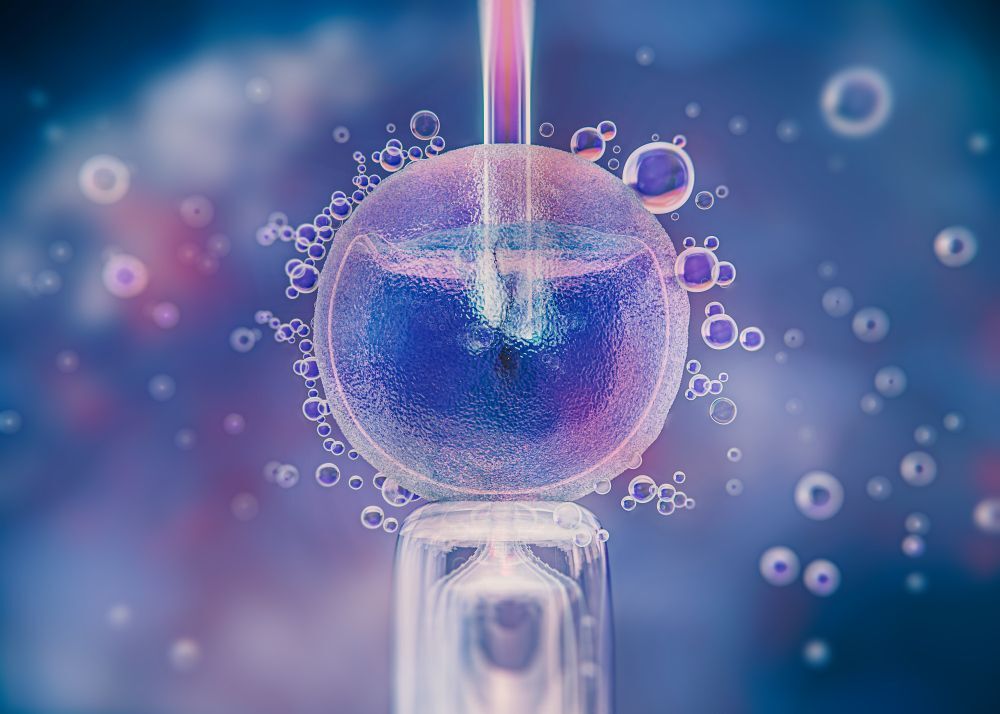
This is the most crucial stage of the ICSI procedure. During this process, a carefully selected sperm—either from the fresh or frozen sample—is directly injected into a mature egg using a specialized microneedle.
This precise technique bypasses many of the barriers that can prevent natural fertilization, making ICSI highly effective for couples experiencing male-factor infertility. The injected eggs are then placed in a controlled laboratory incubator. After approximately 16 to 18 hours, embryologists examine the eggs under a microscope to confirm successful fertilization and monitor early embryo development.
Step 5: Embryo Culture and Monitoring
Once fertilization is confirmed, the embryos are cultured in a specialized incubator under ideal laboratory conditions for approximately 3 to 5 days. Throughout this period, embryologists closely monitor embryo development using advanced technologies such as time-lapse imaging.
At the end of this stage, the healthiest embryo is selected for transfer. If multiple healthy embryos are available, they may be frozen and safely stored for future treatment cycles.
Step 6: Embryo Transfer
Following embryo culture and monitoring, the selected embryo is transferred into the uterus through a simple and generally painless procedure using a thin catheter.
The transfer is usually performed on either the third or fifth day after fertilization, depending on the embryo's development. Ultrasound guidance is used to ensure accurate placement within the uterine cavity. Since the procedure is minimally invasive, anesthesia is generally unnecessary. The entire transfer typically takes only a few minutes, after which you may be advised to rest briefly and follow post-transfer care instructions to maximize implantation success.
Step 7: Two-Week Wait
Also known as the 2WW (Two-Week Wait), this stage involves waiting for the appropriate time to perform a pregnancy test. Although commonly referred to as the "two-week wait," the actual duration is typically 10 to 14 days.
During this period, the female partner continues taking hormonal medications such as progesterone to support implantation and early pregnancy. While this is an important stage, it can also be emotionally challenging because the treatment outcome remains uncertain.
During this waiting period, experts recommend maintaining a healthy lifestyle, minimizing stress, and avoiding early home pregnancy tests, as they may produce misleading results.
Step 8: Pregnancy Test and Follow-Up
The final stage of the ICSI process involves taking a beta-hCG blood test to determine whether implantation has been successful.
If the test result is positive, additional ultrasound examinations are scheduled to monitor the baby's development. If the result is negative, your fertility specialist discusses the possible reasons and plans the next course of action, which may include transferring frozen embryos or exploring other Assisted Reproductive Technology (ART) options to improve future success rates.
Regardless of the outcome, the ICSI journey concludes with counselling, guidance, and emotional support to help you make informed decisions moving forward.
What Are The Risks Of ICSI?
While understanding the ICSI procedure is important, it is equally essential to be aware of its potential risks. Like any medical treatment, ICSI carries certain risks, although most of them are relatively uncommon. Some of the major risks include:
-
Egg Damage: The injection process may damage the egg, preventing successful fertilization.
-
Fertilization Failure: Not every injected egg will fertilize successfully.
-
Embryo Development Problems: Some embryos may stop developing due to genetic abnormalities.
-
Higher Risk of Birth Defects: There is a slightly increased risk of congenital abnormalities, although the overall risk remains low.
-
Higher Risk of Genetic Disorders: Certain inherited male infertility conditions may be passed on to the child.
-
Multiple Pregnancies: The chance of twins or triplets may increase, along with associated pregnancy complications.
-
Ovarian Hyperstimulation Syndrome (OHSS): Fertility medications may cause swollen and painful ovaries.
-
Ectopic Pregnancy: In rare cases, the embryo may implant outside the uterus and require medical treatment.
-
Emotional and Financial Stress: ICSI can be physically, emotionally, and financially demanding.
-
Miscarriage: There may be a slightly increased risk of miscarriage due to chromosomal abnormalities.
Although these risks exist, most are relatively uncommon. The most frequently encountered challenge is unsuccessful fertilization or implantation, resulting in an unsuccessful ICSI cycle.
Choose The Best ICSI Treatment In Nepal – Hardik IVF

Before we conclude, let's talk a bit about where you can get the best ICSI treatment in Nepal. Well among many IVF centers in Nepal, one of the best places to get ICSI treatment in Nepal is Hardik IVF and Fertility Center, the best ivf center in Nepal. But why is Hardik IVF one of the best in Nepal? Some of the most significant reasons for this include the following:
-
Experienced Fertility Specialists: Highly experienced doctors and embryologists specializing in ICSI and assisted reproductive technologies.
-
Advanced Technology and Equipment: State-of-the-art laboratory facilities and the latest technology to maximize treatment success rates.
-
Custom Treatment Plans: Personalized fertility treatment plans based on each patient's unique health condition and fertility needs.
-
High Success Rates: Proven ICSI treatment with consistently excellent outcomes for patients.
-
Round-the-Clock Fertility Care: Comprehensive fertility services, including IVF, ICSI, egg freezing, and genetic testing.
-
Affordable Pricing and Transparent Costs: Cost-effective treatment with transparent pricing and no hidden charges.
-
Patient-Centered Care: Compassionate treatment supported by psychological counselling and continuous patient support.
-
Strict Quality and Safety Standards: Internationally recognized standards of quality, safety, and patient care.
-
Friendly and Comfortable Environment: A stress-free, welcoming clinic environment designed to make patients and couples feel comfortable.
-
Convenient Location and Accessibility: Easily accessible fertility center in Nepal for both national and international patients.
Conclusion
Infertility is one of the greatest challenges many couples face while pursuing their dream of parenthood. Fortunately, modern fertility treatments have made parenthood possible for many couples experiencing infertility. One such treatment is Intracytoplasmic Sperm Injection (ICSI), a procedure in which a single healthy sperm is carefully injected directly into a mature egg to achieve fertilization.
In this blog, we have provided a complete step-by-step guide to the ICSI procedure, covering everything from the initial consultation to pregnancy testing and follow-up care.
We hope you found this guide informative. To learn more about ICSI and other infertility treatments, explore our other blogs. And if you are looking for the best ICSI treatment in Nepal, contact Hardik IVF and Fertility Center.
Thank you for reading till the end!
Recommended Blogs
-
Is IVF a 100% Successful Treatment Process?
-
10 Signs of Infertility in Women: When to Seek Help
-
Some Common Infertility Facts and Myths You Should Know
-
Early Signs of Embryo Implantation After IVF
FAQs on ICSI Procedure Step-by-Step
1. How successful is ICSI for the first time?
ICSI has a high success rate, with fertilization occurring in approximately 70%–85% of injected eggs. However, the overall pregnancy success depends on several factors, including egg quality, sperm health, and the woman's age. While many couples conceive during their first cycle, some may require multiple treatment attempts.
2. How do I get my body ready for ICSI?
To maximize your chances of ICSI success, maintain a healthy lifestyle by eating a balanced diet, exercising regularly, and reducing stress. Take all prescribed medications, avoid smoking and alcohol, and use prenatal supplements such as folic acid if recommended. Your fertility specialist may also prescribe hormonal medications to prepare your body for treatment.
3. How is sperm selection done for ICSI?
Embryologists select the healthiest and most motile sperm using advanced microscopic techniques. Methods such as the swim-up technique or density gradient centrifugation help isolate the best-quality sperm. A single healthy sperm is then injected directly into the mature egg.
4. What is the ICSI threshold sperm count?
ICSI can be performed even when sperm counts are extremely low because only one healthy sperm is required per mature egg. Unlike conventional IVF, ICSI bypasses the need for sperm to fertilize the egg naturally. Even men with severe male infertility, including azoospermia, may be eligible if sperm can be surgically retrieved.
5. How many eggs are required for ICSI?
There is no fixed minimum number of eggs required. However, fertility specialists typically aim to retrieve 8–15 mature eggs to improve the chances of successful fertilization and embryo development. Although having more eggs can improve the chances of success, egg quality remains more important than quantity.
6. How to maximize the ICSI success rate?
Maintaining a healthy lifestyle, eating nutritious foods, avoiding smoking and alcohol, and following your doctor's medication plan can significantly improve egg and sperm quality. Modern laboratory techniques such as embryo freezing and genetic testing may also help improve overall treatment outcomes.
7. How does ICSI differ from IVF?
ICSI is a specialized form of IVF in which a single sperm is injected directly into the egg to overcome fertilization barriers. In conventional IVF, sperm and eggs are placed together in a laboratory dish, allowing fertilization to occur naturally. ICSI is primarily recommended for severe male-factor infertility, whereas IVF is suitable for a broader range of infertility causes.