Does ICSI Increase Your IVF Success Rate? Expert Insights
When it comes to infertility treatment, there is a wide range of questions that general people, such as yourself, have. Some of these questions have an easy answer, while it takes a bit more insight into specifics to answer the questions in detail. One such question that does not have a simple answer is: Does ICSI increase your IVF success rate? Well, if you have this question, then this blog is meant for you.
In this blog, we discuss various aspects of ICSI including when you should consider ICSI, how it is different from IVF, if it increases the success rate of IVF or not, and how it impacts the IVF success rate. In addition to this, we shall also provide you with some more additional information on if the IVFand ICSI babies are healthy or not, and ICSI treatment cost in Nepal. So, keeping this in mind, let’s get started!
What Is Intracytoplasmic Sperm Injection (ICSI)?
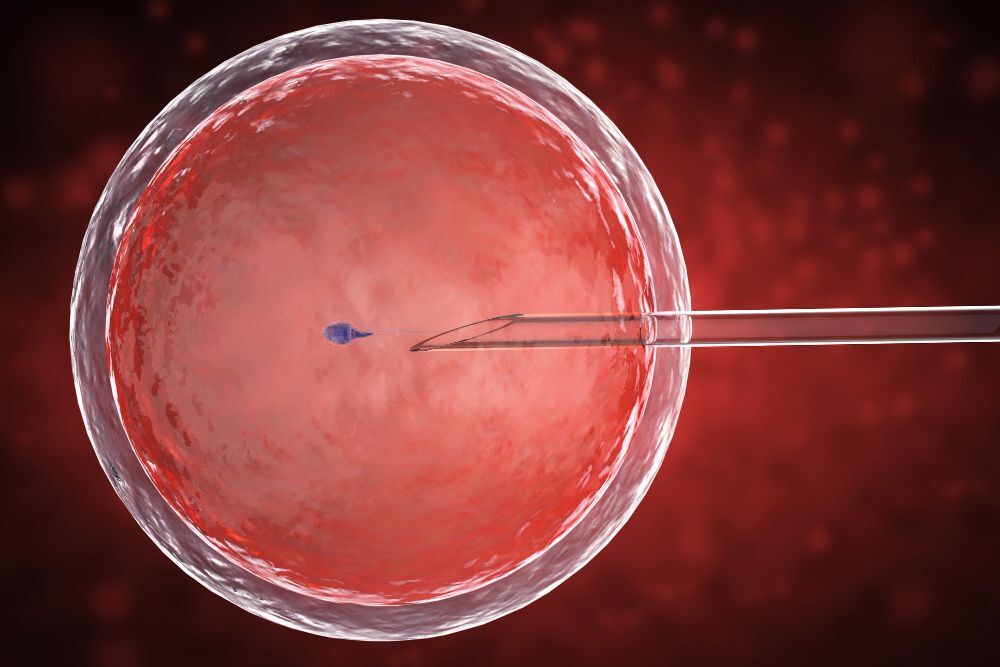
 Intracytoplasmic Sperm Injection, or ICSI, is an advanced fertility treatment used during the process of In Vitro Fertilization (IVF). In this procedure, a single sperm is directly injected into a mature egg to facilitate fertilization. This technique is especially beneficial for couples dealing with male infertility issues such as low sperm count, poor sperm motility, or abnormal sperm morphology.
Although the exact ICSI procedure may vary depending on individual circumstances, the general process is as follows:
-
Egg Collection: The woman's eggs are retrieved after ovarian stimulation.
-
Sperm Selection: A healthy and motile sperm is carefully selected under a microscope.
-
Sperm Injection: The selected sperm is directly injected into the mature egg using a fine microneedle.
-
Fertilization Assessment: The injected egg is monitored for successful fertilization.
-
Embryo Transfer: If fertilization is successful, the resulting embryo is transferred into the uterus.
As you can see, ICSI is essentially a specialized IVF technique in which a single healthy sperm is injected directly into an egg before the embryo is transferred into the uterus.
When Should You Consider ICSI?
Knowing what ICSI is is only part of the picture. It is equally important to understand when this treatment should be considered. In general, ICSI is recommended when fertility problems are related to sperm quality or certain medical conditions.
Some of the most common situations where ICSI is recommended include:
-
Male Factor Infertility
-
Low Sperm Count: When the sperm count is significantly lower than normal.
-
Poor Sperm Motility: When sperm have difficulty swimming toward the egg.
-
Abnormal Sperm Morphology: When a high percentage of sperm have abnormal shapes.
-
Surgically Retrieved Sperm: When sperm are collected directly from the testicles or epididymis.
-
-
Previous Fertility Treatment Failures
- Failed IVF Cycles: When conventional IVF has failed because of poor fertilization.
-
Unexplained Infertility
- Unknown Cause: When no clear cause of infertility can be identified and natural conception or conventional IVF has not resulted in pregnancy.
-
Egg or Embryo Freezing Cases
- Frozen Eggs: When frozen eggs are used, as the freezing process can harden the egg's outer shell, making natural fertilization more difficult.
-
Genetic Testing or Preimplantation Genetic Testing (PGT)
- Genetic Screening: When PGT is recommended because of the risk of passing inherited genetic disorders to the child.
-
Use of Surgically Retrieved Sperm
- TESE, PESA, MESA, or TESA: When sperm are obtained through surgical sperm retrieval procedures.
How Is ICSI Different From IVF?: Key Differences
Now that you understand what ICSI is and when it is recommended, let's answer another common question: How is ICSI different from IVF?
Although ICSI is performed as part of an IVF cycle, the fertilization process differs significantly. The major differences include:
Fertilization Process
-
IVF: Sperm and eggs are placed together in a laboratory dish, allowing fertilization to occur naturally.
-
ICSI: A single healthy sperm is directly injected into the egg using a specialized microneedle.
When It Is Used
-
IVF: Recommended for couples with normal sperm parameters or unexplained infertility.
-
ICSI: Recommended for severe male infertility, previous IVF fertilization failures, or certain medical conditions.
Sperm Quality Requirements
-
IVF: Requires a relatively higher number of healthy, motile sperm.
-
ICSI: Requires only one healthy sperm for each mature egg.
Cost and Complexity
-
IVF: Less complex and generally more affordable. At Hardik IVF and Fertility Center, IVF costs approximately NPR 2,50,000.
-
ICSI: More technically advanced and slightly more expensive. At Hardik IVF and Fertility Center, ICSI costs approximately NPR 3,50,000.
Risk of Genetic Issues
-
IVF: Natural sperm selection occurs during fertilization, which may reduce certain genetic risks.
-
ICSI: Because fertilization bypasses natural sperm selection, Preimplantation Genetic Testing (PGT) may be recommended, especially when there is a history of genetic disorders or severe male infertility.
Use with Frozen Eggs
-
IVF: May be less effective with frozen eggs because freezing can harden the egg's outer shell.
-
ICSI: More effective with frozen eggs because the sperm is injected directly into the egg.
Following is a tabular representation of these differences:

At this point, it should be plenty clear that IVF and ICSI are not the same. But you also have to note that although they are not the same, they are closely linked, and ICSI is, as mentioned previously, an advanced process that is often used alongside IVF. So implementing ICSI procedures during IVF can have a change in the success rate. But does ICSI increase your IVF success rates? Well, the answer is a bit more complicated than a simple yes or no. It does increase the success rate in some cases, but it does not do much in other cases. Following are some of the key circumstances when ICSI does improve success rate.
-
Improves IVF Success Rates: ICSI can improve the success rate of IVF when no additional fertility complications are present, as it allows embryologists to select the healthiest sperm for fertilization.
-
Overcomes Male Factor Infertility: ICSI significantly improves IVF success when male infertility is the primary cause by directly injecting the healthiest sperm into the egg.
-
Helps After Previous IVF Failures: If previous IVF cycles resulted in poor or failed fertilization, ICSI can substantially improve the chances of successful fertilization.
-
Works Well with Frozen Eggs or Sperm: ICSI improves success rates when frozen eggs or sperm are used because the sperm is directly injected into the egg, overcoming the hardened outer shell caused by freezing.
-
Beneficial for Unexplained Infertility: ICSI may also increase the chances of fertilization when there is no clearly identified cause of infertility.
-
Has Limitations: ICSI cannot significantly improve IVF success if the primary problems involve poor egg quality, uterine abnormalities, or poor embryo development.
In general, ICSI can increase fertilization success by approximately 20% under ideal circumstances. While it does not improve IVF success in every case, it provides a meaningful advantage for many couples.
How Does ICSI Impact the IVF Success Rate?
Although ICSI is known to improve IVF success rates, many people wonder how it actually does so. While the scientific explanation can be complex, the major reasons are relatively easy to understand.
1. Increase Fertilization Rate
One of the biggest advantages of ICSI is its ability to increase fertilization rates. During ICSI, a single healthy sperm is injected directly into the egg, eliminating the need for the sperm to penetrate the egg naturally.
This process increases the likelihood of successful fertilization by an average of 20%, especially in cases involving male-factor infertility.
2. Improved Embryo Development
ICSI also contributes to improved embryo development because embryologists carefully select the healthiest available sperm before fertilization.
This increases the chances of producing healthy embryos. However, embryo quality still depends on both sperm quality and egg quality. If egg quality is poor, improvements may be limited. Nevertheless, ICSI generally contributes to better embryo quality.
3. Impacts Pregnancy and Live Birth Rates
Since ICSI improves fertilization rates, it can also positively influence pregnancy and live birth rates.
For couples experiencing male-factor infertility, ICSI may improve pregnancy rates by approximately 5%–10% compared to conventional IVF. However, when sperm quality is already normal, the effect on live birth rates is less significant because factors such as egg quality, uterine health, and embryo implantation also play major roles.
4. Best for Severe Male Infertility
ICSI is particularly beneficial for severe male infertility conditions, including:
-
Oligospermia: Low sperm count.
-
Asthenospermia: Poor sperm motility.
-
Teratozoospermia: Abnormal sperm morphology.
-
Azoospermia: Cases requiring surgical sperm retrieval.
Under these circumstances, conventional IVF may fail because the sperm cannot fertilize the egg naturally. ICSI bypasses these challenges, making it one of the most effective fertility treatments for severe male-factor infertility.
Success Rate of IVF and ICSI in Nepal
Earlier, we discussed how ICSI can improve IVF success rates. Now, let's look at the average success rates of IVF and ICSI in Nepal.
I. IVF Success Rate
The exact success rate of IVF depends on several factors, including reproductive health, egg quality, sperm quality, age, and the expertise of the fertility clinic.
On average, the IVF success rate in Nepal ranges from 70% to 80%. Keep in mind that this is an average estimate, and individual success rates may vary depending on your medical condition and treatment plan.
II. ICSI Success Rate
Like IVF, ICSI success rates also depend on factors such as egg quality, uterine health, and the overall reproductive health of the couple.
In Nepal, the average ICSI success rate ranges between 70% and 85%.
Although these figures may appear similar to conventional IVF, it is important to remember that ICSI is usually performed in more complex infertility cases, particularly severe male-factor infertility.
When IVF and ICSI are combined under ideal circumstances, the overall chances of successful fertilization and pregnancy can improve significantly.
Choosing the Best IVF Doctor in Nepal For High Success Rate
Are IVF and ICSI Babies Healthy?
Although IVF and ICSI involve medical intervention during fertilization, many people wonder whether babies conceived through these treatments are healthy.
The answer is yes.
Both IVF and ICSI are forms of Assisted Reproductive Technology (ART) designed to overcome fertility challenges rather than alter the baby's natural development.
When performed correctly, IVF and ICSI do not harm the baby. In fact, because fertility specialists carefully select healthy eggs and sperm, these treatments may help reduce certain fertility-related risks and improve the chances of a healthy pregnancy.
Modern fertility clinics also follow strict quality control measures and internationally accepted medical protocols to ensure the safest possible outcomes for both mother and baby.
ICSI Treatment Cost in Nepal
 Another key aspect of ICSI treatment, which we shall discuss here, is regarding the ICSI treatment cost in Nepal. Now, just keep in mind that the price actually differs with the specifics of your case and whether or not you are in need of any other services. The price also differs with the technology used, the drug used and the experience of the professional too. Still, on an average, IVF treatment in Nepal starts at a very reasonable price of Npr 3,50,000.
Do keep in mind that if ICSI is required as part of the process, the cost will be slightly more with more laboratory procedures added. The cost will also vary depending on the fertility clinic, the number of cycles to be performed, and any supplementary treatments such as embryo freezing or genetic testing. It is always advisable to speak with a fertility specialist to have an estimate of the cost depending on your own medical needs.
Consult Assured IVF & ICSI Center In Nepal
Now, if you have reached this far, you may be wondering where you can receive the best consultation and treatment for IVF and ICSI in Nepal. Among the many fertility centers in Nepal, Hardik IVF and Fertility Center is one of the leading choices. Some of the key reasons to choose Hardik include:
-
Veteran Specialists: Hardik has highly experienced fertility specialists with decades of practical experience in managing complex infertility cases, helping achieve high success rates.
-
State-of-the-Art Technology: The clinic is equipped with the latest IVF and ICSI technology, ensuring patients receive advanced and effective fertility treatment.
-
Personalized Treatment: Every patient receives a customized treatment plan tailored to their specific fertility needs, along with comprehensive support throughout the IVF and ICSI journey.
-
High Success Rate: Hardik has a strong track record of successful IVF and ICSI treatments, giving patients greater confidence in achieving pregnancy.
-
Affordable Treatment Options: The clinic offers competitively priced IVF and ICSI treatments without compromising on the quality of care.
Conclusion
IVF and ICSI are closely related fertility treatments that often work together to improve the chances of conception. In many situations, incorporating ICSI into an IVF cycle can significantly improve fertilization rates, particularly in cases involving male-factor infertility. However, it is important to understand that ICSI differs from conventional IVF, and several factors influence its impact on overall IVF success.
In this blog, we provided an overview of ICSI, explained how it influences IVF success rates, and answered the common question, "Does ICSI increase your IVF success rate?"
We hope you found this guide helpful. If you would like to learn more about IVF, ICSI, and other fertility treatments, be sure to explore our other blogs. And if you're looking for trusted IVF and ICSI treatment in Nepal, Hardik IVF and Fertility Center is here to help.
Other Related Blogs
-
How to Prepare For IVF: Tips for a Successful IVF Journey
-
IVF Facts and Myths You Should Know
-
Some Common Infertility Facts and Myths You Should Know
FAQs On ICSI Improve Your IVF Success Rate
1. What is the benefit of ICSI in IVF?
ICSI improves the chances of fertilization by directly injecting a healthy sperm into the egg, making it especially beneficial for couples experiencing male-factor infertility. It is also commonly recommended for couples who have experienced previous IVF fertilization failures.
2. Does ICSI help with poor egg quality?
ICSI is primarily designed to overcome sperm-related fertility problems rather than poor egg quality. Although it can assist fertilization when eggs are difficult to fertilize naturally, the overall quality of the eggs remains one of the most important factors influencing treatment success.
3. Does ICSI make fertilization more likely to happen?
Yes. ICSI increases the likelihood of fertilization by bypassing many natural fertilization barriers and placing the sperm directly inside the egg. It is particularly effective for cases involving poor sperm count, reduced motility, or abnormal sperm morphology.
4. Why use ICSI instead of IVF?
ICSI is generally recommended when male infertility is present, such as low sperm count, poor sperm movement, or abnormal sperm shape. It is also frequently used after unsuccessful IVF cycles because it provides greater control over the fertilization process.
5. Can you get pregnant naturally after ICSI?
Yes. Natural pregnancy after ICSI is possible, depending on the underlying cause of infertility. If fertility factors improve over time or the infertility issue was temporary, natural conception may still occur even after undergoing ICSI treatment.